
According to a 2016 survey by the American Community Survey, 45% of professionals within the Nigerian-American community work in the education sector. Majority working as professors in some of the top universities in the country.
Though the initial success stories for Nigerian-Americans pursuing the American Dream were through education, lately, they have also started to become trailblazers in sports, entertainment, and culinary arts.
A good example is Chef Tunde Wey from New Orleans, who caught public attention when he used food to highlight wealth inequalities across the different races in America.
There is an interesting story narrated by Joe Carleton on Medium, talking of a young Nigerian international, Chiasoka, who is pursuing a degree in nursing after graduating from engineering.
Chiasoka says that in her family, excellent performance in academics is not something wished for, rather the expected norm. Her achievement was okay, but not good enough to warrant her mother to grace her graduation with her presence as it is just something expected. Please note, she was among the top 10% of her graduating class.
Chiasoka says that until the day she earns a post-graduate degree, her family will see her academic achievements as something normal. Therefore, not impressed enough to attend any of her graduations unless it is for a post-graduate degree.
Most westerners would not take too kindly to such an attitude from a parent towards their child’s impressive achievements.’ However, for Chiasoka, it has become a fuel she uses to work hard to impress her mother. Though weird, this arrangement works for Nigerian parents to push their children as far up the academic ladder they can reach.
The best inheritance that a parent can give to their children is not jewelry nor any other material things, but a good education.
Straight A’s and nothing less
Most Nigerians studying across universities in America are among the top of their class. They often bag academic awards and accolades for their performances in school.
A people that know how to sniff out and capitalize on opportunities
Excellence outside of the Class
Not all Nigerian-Americans will pursue academic paths leading to technical fields of work. Though that is the default choice for most Nigerian parents for their children. In recent times, Nigerians have been venturing out into arts, music, and the creative industry in general.
Must Read: Studying in the US: Overview
They still show the same zeal, tenacity, and ambition to be the best in the field. A good example is Chimamanda Ngozi Adichie, who is a novelist (Yale graduate) who authored the New York Times Best Seller, Americanah. That book saw Adichie listed among the 2015 Time Magazine’s ‘the 100 Most Influential People.’

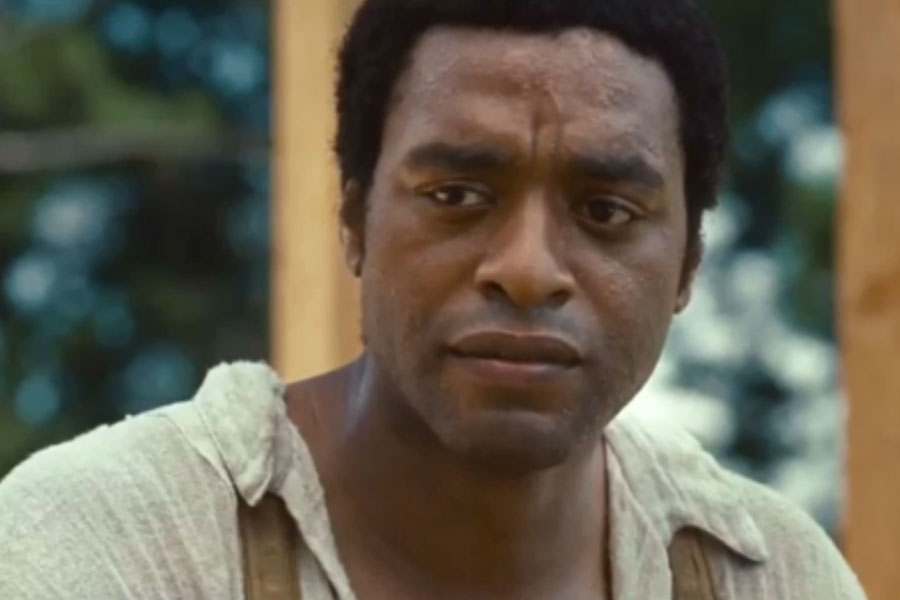
Another Nigerian-American who is trailblazing outside the academics field is Chiweteley Ejiofor who is in the movies industry and has featured in 12 Years a Slave as Solomon Northup. A role that got him the Academy Awards nomination for Best Actor in 2014.
The Psychology behind Nigerian-Americans success
According to research by Dr. Meg Griga and Debra Hart from the University of Massachusetts, children in homes and schools where the parents and teachers expect them to go to college often do go to college and other prestigious higher learning institutions.
It is all part of modern-day cognitive psychology that an expectation by a figure of authority to a growing child can subconsciously and ubiquitously control the child’s achievements in life.
With Nigerian parents, excellence is expected, not wished. Hence, Nigerian kids grow up knowing certain milestones must be achieved in life. When those milestones are straight A’s in class, then that is what their school report cards are going to reflect.
Raising African Children in the USA